How to Build an Emergency Fund (Even on a Tight Budget)
By the My Money Report team ·
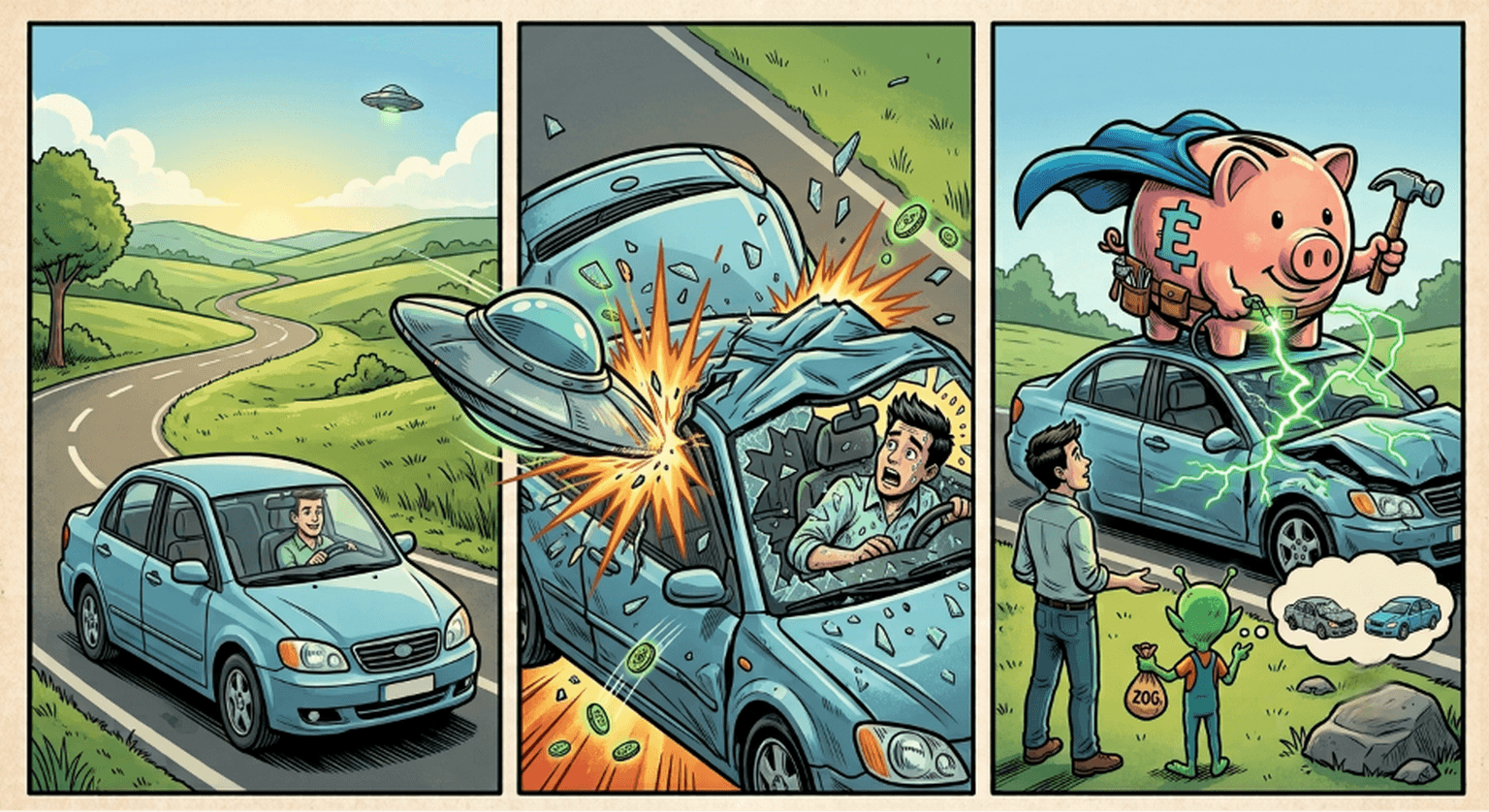
A car breaks down. A boiler dies in winter. A pay cheque arrives short. For a household with no cushion, any of these becomes a small disaster, often paid for with expensive debt. For a household with an emergency fund, the very same event is just an annoying afternoon. That is the entire purpose of emergency savings: to turn a crisis into an inconvenience.
The good news is that you do not need to be wealthy to build one. You need a target, a place to keep it, and a small, repeatable habit. The US Consumer Financial Protection Bureau has an excellent plain-language guide to building an emergency fund that is worth bookmarking.
What an emergency fund is (and is not)
An emergency fund is cash set aside specifically for unplanned, genuinely necessary expenses: a medical bill, an urgent repair, or a gap in income. It is not a holiday fund, not a new-phone fund, and not your everyday spending account. Keeping it mentally and physically separate is what stops it from quietly leaking away.
How much should you save?
The classic advice is three to six months of essential expenses. That is a great long-term goal, but for most people it is also intimidating enough to cause paralysis. So break it into stages:
- Starter goal: one small, achievable buffer - the price of a typical unexpected bill in your life. Reaching it early builds momentum.
- Interim goal: one month of essential expenses. This alone removes a huge amount of financial stress.
- Full goal: three to six months of essentials, more if your income is variable or you are self-employed.
Notice these are based on your essential expenses (needs), not your total spending. In an emergency you would cut the extras, so you only need to cover the basics.
Where to keep it
An emergency fund has two jobs: be safe, and be reachable within a day or two. That points to a separate, easy-access savings account - ideally one that earns some interest but is not tied up in investments that could fall in value exactly when you need the cash. Keeping it in a different account from your daily spending adds a small, helpful barrier against dipping into it for non-emergencies.
How to actually build it
The habit matters more than the amount. A few principles make it far more likely to happen:
- Pay yourself first. Decide your savings amount at the start of the period and set it aside before you spend, rather than hoping something is left over.
- Start small and automatic. Even a modest, regular transfer beats a large one you never get around to.
- Fund it from what you find. Tracking your spending almost always uncovers money leaks - an unused subscription, a habit that grew without you noticing. Redirect that money straight into the fund.
- Give it a name and a target. A goal you can see ("Emergency - 1 month") is far more motivating than a vague intention to save.
Tracking makes the difference
Here is the quiet truth about emergency funds: the money to build one is usually already in your budget, hiding in expenses you have stopped noticing. You cannot redirect what you cannot see. When you record your spending and watch where it really goes, the spare capacity reveals itself - and that is what you feed into savings.
Building your fund with My-Money.Report
In My-Money.Report you can create dedicated savings buckets with their own goals - an Emergency bucket sitting right beside Vacation or New Car - and watch each one fill with a progress bar. Because you set a savings target for the period first and then track spending against your plan, saving becomes the priority rather than the afterthought.
And because every expense is entered by hand, the money leaks that fund your emergency savings become visible instead of invisible. Plan, record, review, repeat - and each month a little more of that "small disaster" turns into nothing more than an annoying afternoon.
Start with a tiny target you can hit this month. The first time an emergency fund saves you from debt, you will never want to be without one again.